

Quick answer
No, you cannot see the Grand Canyon from Flagstaff itself. The San Francisco Peaks and surrounding volcanic highlands block any direct sightline between the city and the canyon rim, which sits seventy-eight miles northwest. Even from Flagstaff's highest accessible elevations, the Coconino Plateau creates a visual barrier. The nearest point where the canyon becomes visible is approximately fifteen miles south of the South Rim entrance along Desert View Drive.
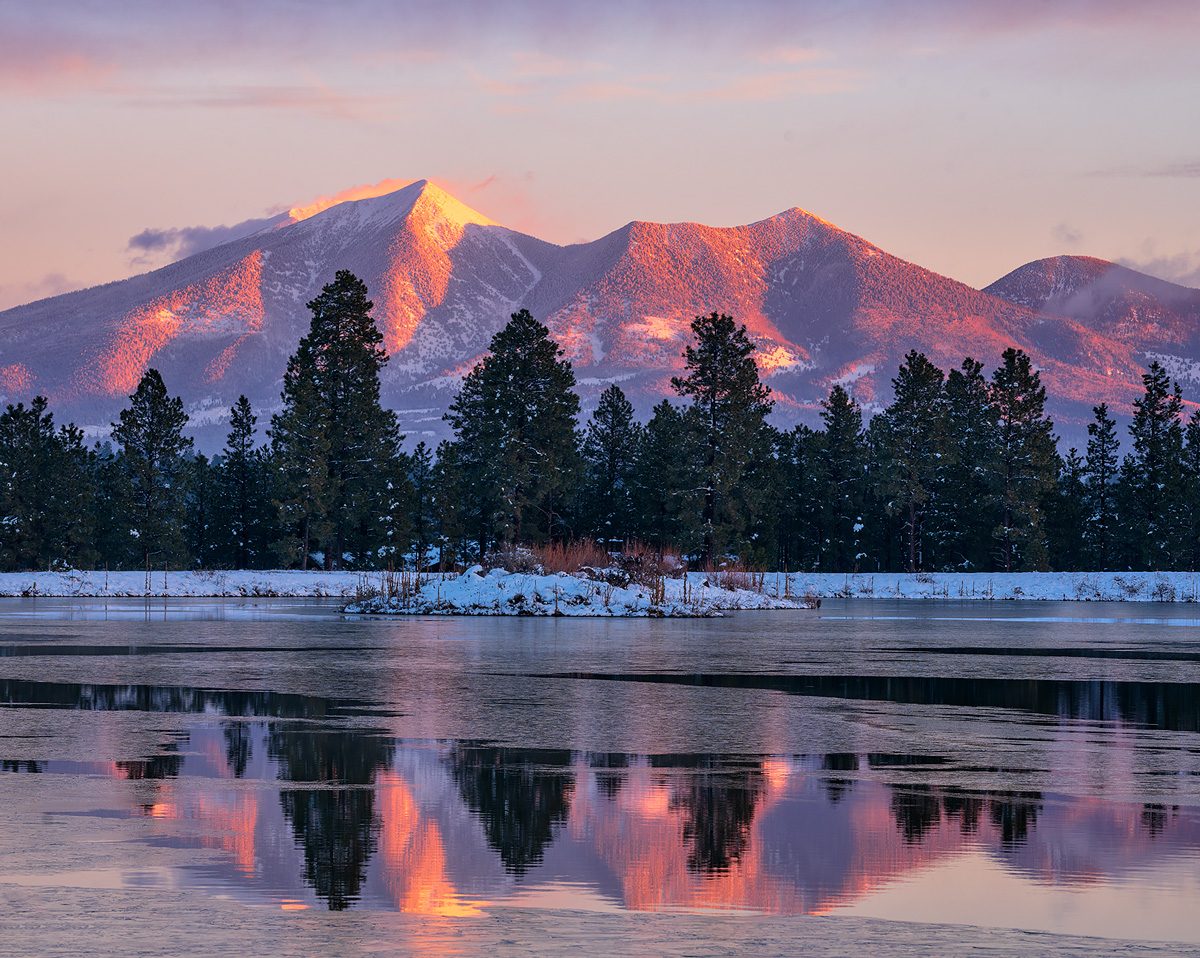
The San Francisco Peaks rise to 12,633 feet just north of Flagstaff, forming a volcanic massif that has defined northern Arizona's topography for six hundred thousand years. This range does not simply obstruct views—it establishes the entire drainage pattern that feeds into the Colorado River system, ensuring that no elevated vantage point within Flagstaff city limits offers a sightline to the canyon corridor. The geology explains why the question persists. Flagstaff occupies a high-elevation basin at seven thousand feet, and the Grand Canyon's rim sits at roughly the same elevation seventy-eight miles away. Visitors assume that matching elevations translate to visibility, but the Coconino Plateau rises in waves between the two points, with Kendrick Peak and Red Mountain forming additional barriers along the route. Even Humphreys Peak, the state's highest summit, does not provide a Grand Canyon view—the curvature of the plateau and intervening ridgelines eliminate any angle. What travelers can access from Flagstaff is the transition zone that defines the canyon's watershed. Highway 180 climbs through ponderosa forest and juniper scrubland, tracking the gradual shift from volcanic highlands to limestone plateau. The drive takes ninety minutes under normal conditions, and the canyon remains invisible until you pass through the park entrance and approach Mather Point or Yavapai Geology Museum overlooks. Desert View, the easternmost overlook on the South Rim, sits fifteen miles inside the park boundary and marks the first location where the canyon opens fully into view. Flagstaff functions as the logistical anchor for canyon visits—lodging, supplies, and route access—but not as a viewing platform. The city's relationship to the canyon is infrastructural rather than visual. Travelers expecting a distant glimpse from hotel balconies or summit trails will find instead that the topography demands the full journey north, where the Kaibab Limestone drops away and reveals the chasm that no intervening elevation can preview.
“The San Francisco Peaks do not simply obstruct views—they establish the entire drainage pattern that feeds into the Colorado River system.”
How To Travel And Can You See The Grand Canyon From Flagstaff
Flagstaff is located approximately 80 miles south of the Grand Canyon South Rim, serving as a primary gateway for travelers. The most direct route to the park entrance is by car via U.S. Route 180 or U.S. Route 89.
US-180 N to AZ-64 N
Groome Transportation or AZ Shuttle
Grand Canyon Railway from Williams (via shuttle to Williams)
Entrance Fees And Costs To See The Grand Canyon From Flagstaff
Entrance fees for Grand Canyon National Park are determined by the National Park Service and are required for all visitors arriving from the Flagstaff area. These costs depend on vehicle type and visitor status.
A typical adult visitor traveling by vehicle pays 135 USD, though total costs change based on the number of foreign visitors in the group.
Operational Hours For Those Visiting The Grand Canyon From Flagstaff
Grand Canyon National Park operates on a continuous schedule, remaining accessible to visitors throughout the week. The park is open daily, including weekends and holidays, to accommodate those traveling from Flagstaff.
| Monday | 00:00–23:59 | |
|---|---|---|
| Tuesday | 00:00–23:59 | |
| Wednesday | 00:00–23:59 | |
| Thursday | 00:00–23:59 | |
| Friday | 00:00–23:59 | |
| Saturday | 00:00–23:59 | |
| Sunday | 00:00–23:59 |
Best Arrival Window When You See The Grand Canyon From Flagstaff
Planning your trip from Flagstaff requires balancing the 90-minute drive with park crowd cycles. Arriving within the best arrival window of 06:00–10:00 ensures you bypass peak entrance wait times and midday heat.
Spring (April–May)
Moderate crowdsMild, 50°F–70°F. Optimal for hiking before summer heat sets in.
Summer (June–August)
Heavy crowdsHot, 80°F–95°F. Start early to avoid the peak heat of the day.
Fall (September–October)
Moderate crowdsMild, 50°F–75°F. Stable weather patterns provide consistent visibility for canyon views.
Weekday Mornings
Low to moderate—
Arriving between 06:00–10:00 is essential to manage park entry delays.
Verdict: Plan your visit for Tuesday to Thursday, arriving at the park entrance between 06:00–10:00 during the months of April or October.
Other Sights To Visit Near The Grand Canyon From Flagstaff
Northern Arizona features several landmarks that complement a trip from Flagstaff to the Grand Canyon. These locations allow for a diverse itinerary that incorporates geological features and cultural history along the route.
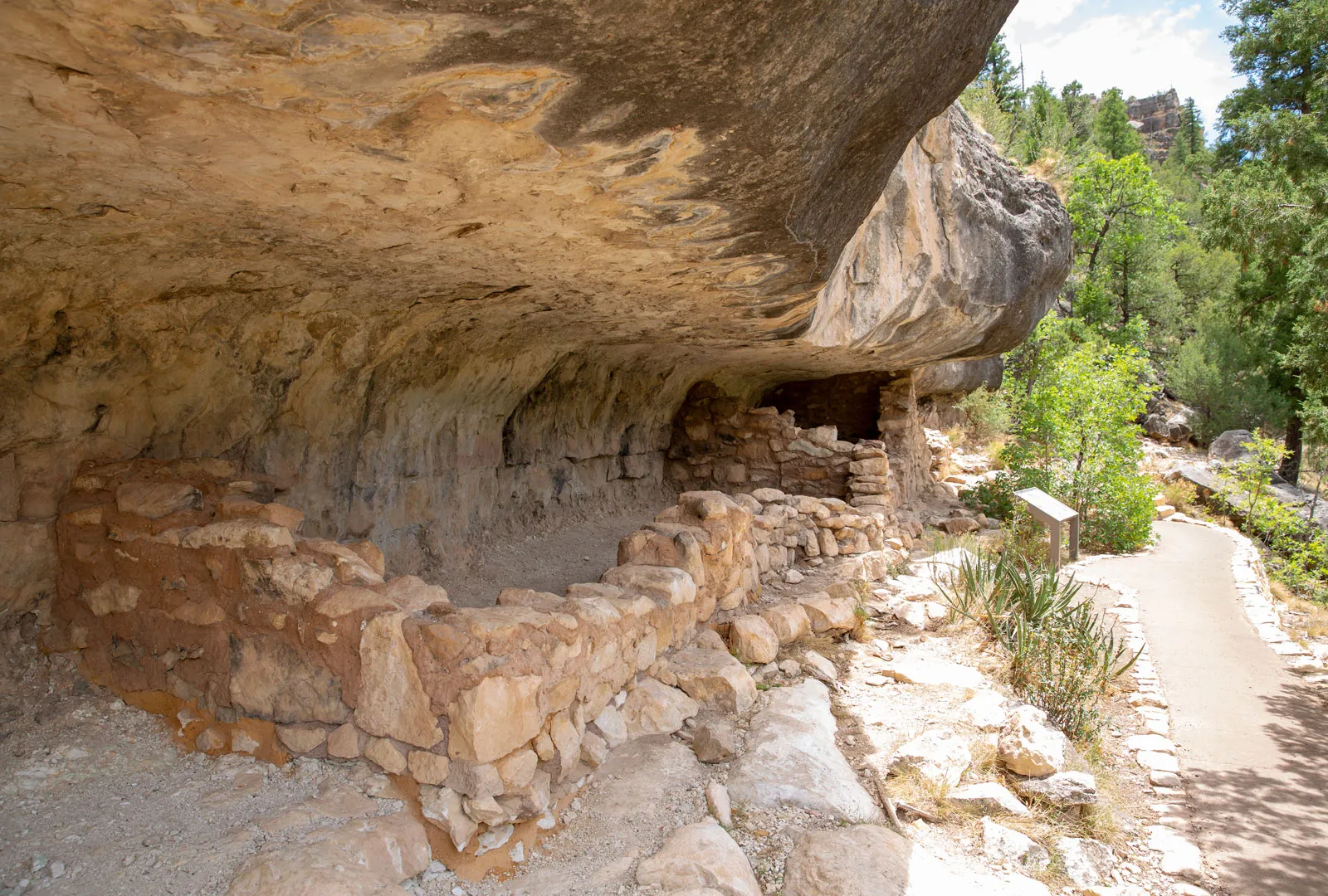
Walnut Canyon National Monument
This site features ancient cliff dwellings accessible by a rim trail or a stair-heavy canyon path, providing a historical perspective before heading north.
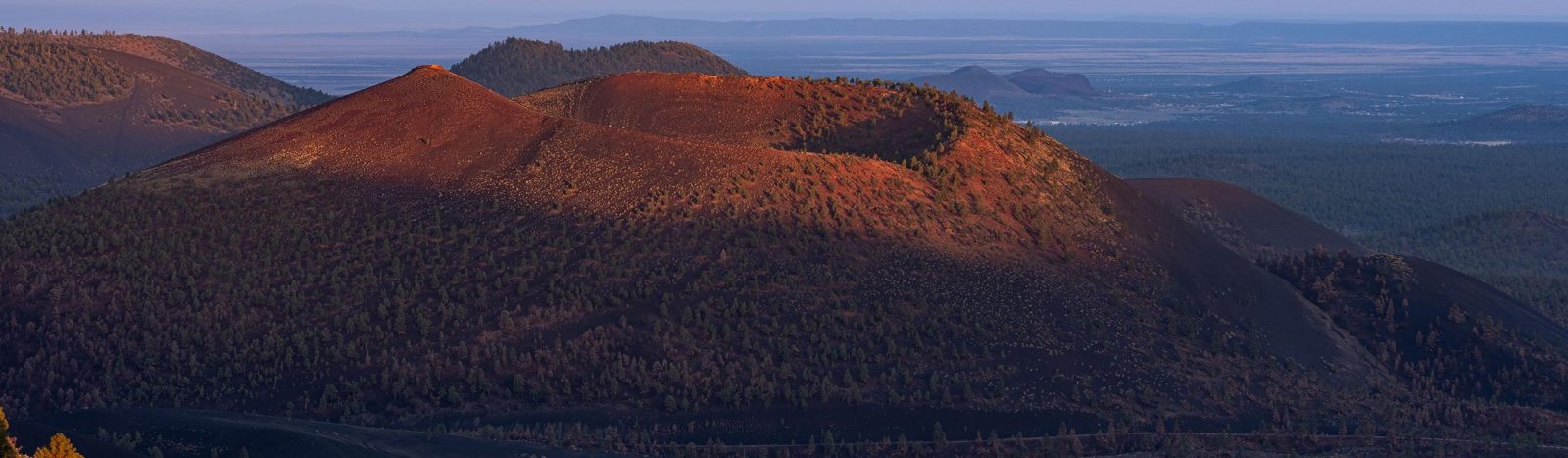
Sunset Crater Volcano National Monument
Visitors can view recent volcanic landscapes and cinder cones, offering a geological contrast to the sedimentary layers found at the Grand Canyon.
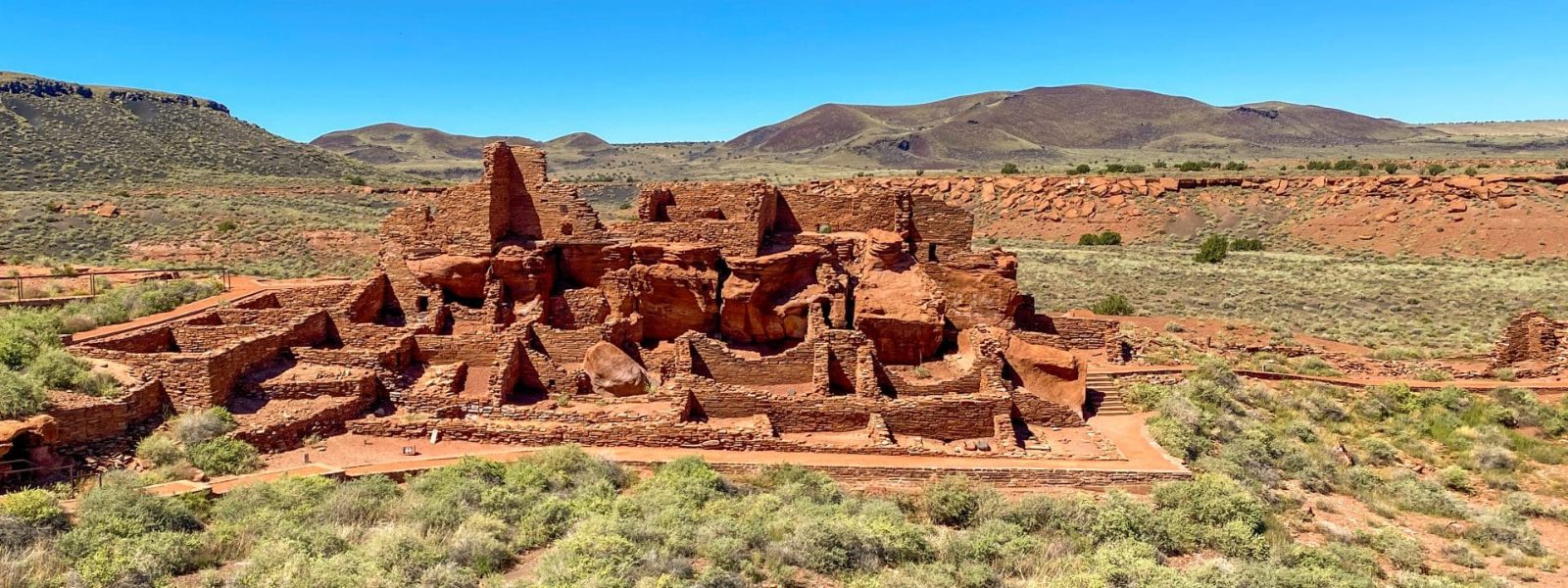
Wupatki National Monument
Located near Sunset Crater, these expansive pueblos highlight the region's ancestral occupation and provide a cultural stop on the way toward the Painted Desert.
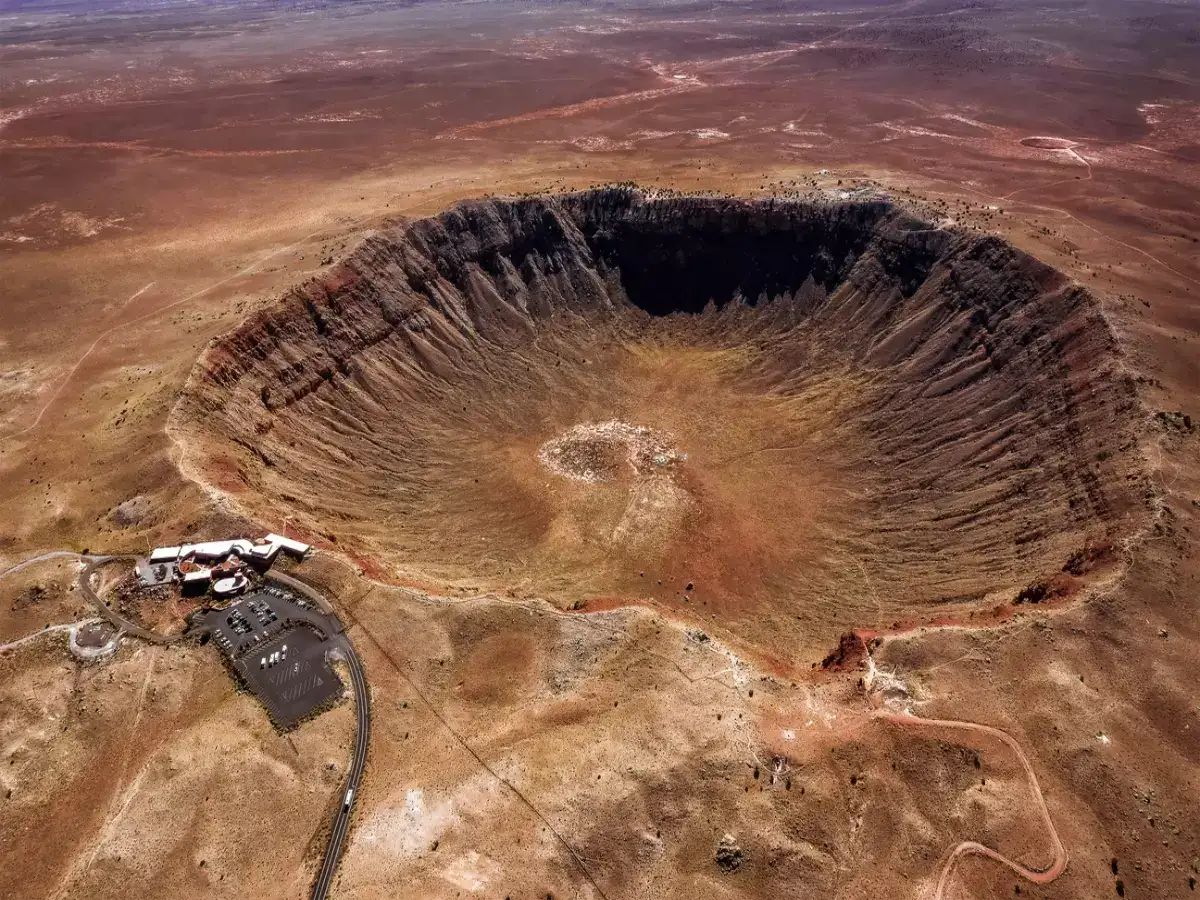
Meteor Crater
As one of the best-preserved impact sites, this massive crater serves as an educational stop for those interested in planetary science and geological history.
Check availability
Frequently Asked Questions About Visiting the Grand Canyon
Everything you need to know about can you see the grand canyon from flagstaff